
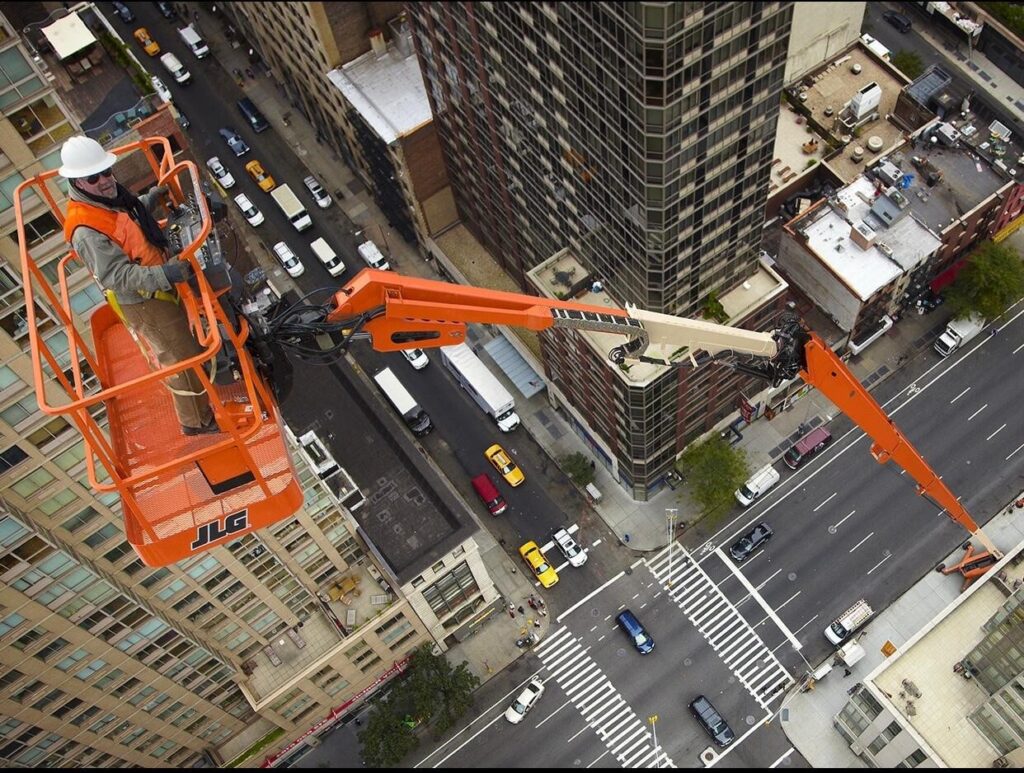
A Simple Guide to Choosing the Correct IPAF Training Course
One of the most common questions we hear at Harris Safety Training is:
“What IPAF category do I actually need?”
With several different machine types and course options available, it can sometimes feel confusing — especially if you’re new to powered access equipment.
This guide breaks down the main IPAF categories and helps you understand which course is right for your job role.
⸻
What Is IPAF?
International Powered Access Federation training is designed for anyone operating Mobile Elevating Work Platforms (MEWPs), including:
* Scissor lifts
* Cherry pickers
* Boom lifts
* Vertical personnel platforms
Once completed, operators receive the recognised IPAF PAL Card certification.
⸻
The Main IPAF Categories Explained
IPAF 3a — Mobile Vertical
This category covers:
* Scissor lifts
* Vertical access platforms
Best for:
* Warehouse work
* Electrical installation
* Ceiling maintenance
* Indoor construction work
Machine Movement:
The platform moves vertically only.
If you’ll mainly be operating scissor lifts, this is usually the category you need.
⸻
IPAF 3b — Mobile Boom
This category covers:
* Cherry pickers
* Boom lifts
* Articulated boom platforms
Best for:
* External building work
* Roofing
* Steel erection
* Tree work
* Difficult access areas
Machine Movement:
The platform can extend both vertically and horizontally.
If your work involves reaching over obstacles or accessing awkward areas, IPAF 3b is often essential.
⸻
IPAF 1b — Static Boom
This category covers:
* Truck-mounted platforms
* Static booms
Best for:
* Highway maintenance
* Street lighting
* Utility work
The machine remains stationary during operation.
⸻
IPAF PAV — Push Around Vertical
This category covers:
* Small push-around access platforms
Best for:
* Indoor maintenance
* Retail environments
* Low-level access work
These are lightweight machines manually positioned before use.
⸻
Which IPAF Category Is Most Common?
For most construction and maintenance workers, the most popular option is:
IPAF 3a & 3b Combined Training
This gives operators certification for both:
* Scissor lifts
* Boom lifts
Many employers now prefer combined certification because it offers greater flexibility on site.
⸻
How Do I Know Which One I Need?
The best way to decide is by asking:
What machine will I actually use at work?
If you’re unsure:
* Speak to your employer
* Check site requirements
* Ask your training provider for advice
At Harris Safety Training, we help customers choose the correct course before booking.
⸻
Do I Need IPAF Legally?
Under UK health and safety law, operators must be:
* Properly trained
* Competent
* Safe when using powered access equipment
IPAF training is one of the most recognised ways to demonstrate competence.
⸻
How Long Does IPAF Training Take?
Most operator courses take:
* 1 day for a single category
* 1–2 days for combined categories
Training includes:
✅ Theory session
✅ Practical assessment
✅ Safety guidance
✅ Operator testing
Successful candidates receive their IPAF PAL Card digitally through the ePAL app.
⸻
Why Choosing the Right Category Matters
Selecting the correct IPAF category helps:
* Improve safety
* Avoid site compliance issues
* Increase job opportunities
* Ensure legal compliance
* Build operator confidence
Having the wrong certification can prevent operators from using certain equipment on site.
⸻
Train with Harris Safety Training
At Harris Safety Training, we provide accredited IPAF training for individuals and businesses across:
* Worcester
* Birmingham
* Newark
* South Wales
* Reading
* Swindon
* Lincolnshire
* Nationwide on-site training
Available Courses:
* IPAF 3a
* IPAF 3b
* Combined 3a & 3b
* Harness Training
* Refresher Courses
⸻
Need Help Choosing the Right IPAF Course?
Our experienced team can help you identify:
* Which category you need
* What equipment you’ll be using
* The most cost-effective training option
Contact Harris Safety Training today to discuss your requirements and book your 2026 IPAF training course.

