Mobile tower checks: why the last inspection is not the whole story

Understand pre-use tower checks, competent inspections and changing conditions. The seven-day rule is not a reason to ignore a problem between inspections.

Understand pre-use tower checks, competent inspections and changing conditions. The seven-day rule is not a reason to ignore a problem between inspections.
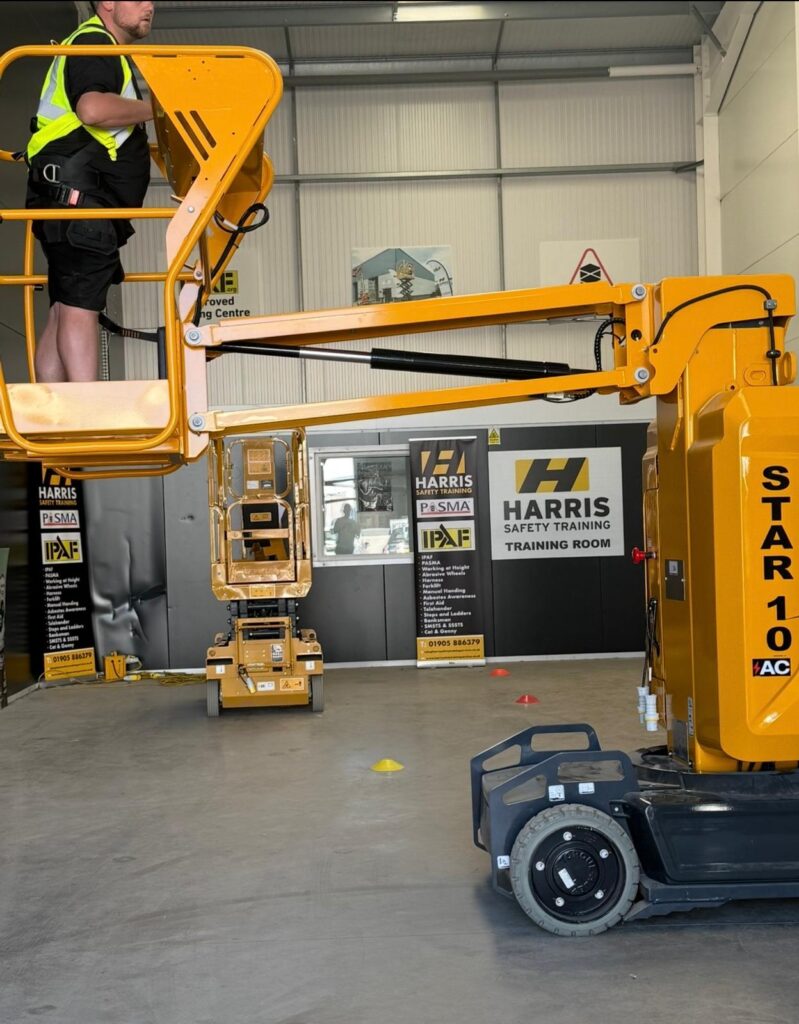
Understand the difference between MEWP pre-use checks and LOLER thorough examinations, and why both matter when planning safe powered access work.
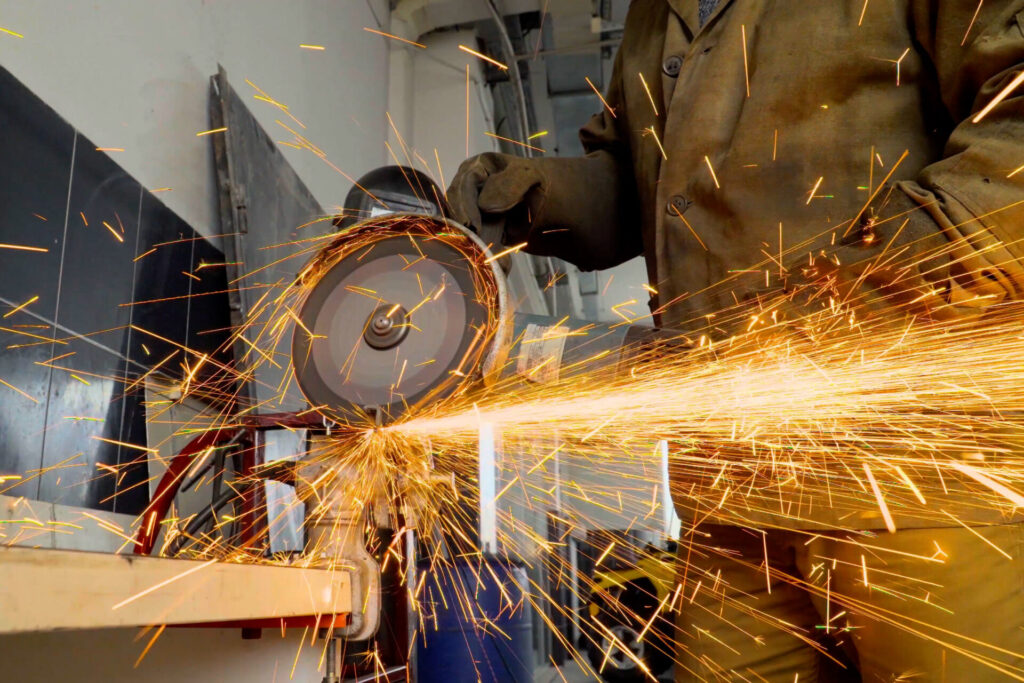
Prepare cutting and grinding work properly: consider tool condition, wheel suitability, trained mounting, the work area and clear defect reporting.
Understand why fall protection is needed during tower assembly and dismantling, and how 3T and advance guardrail methods support safe working.
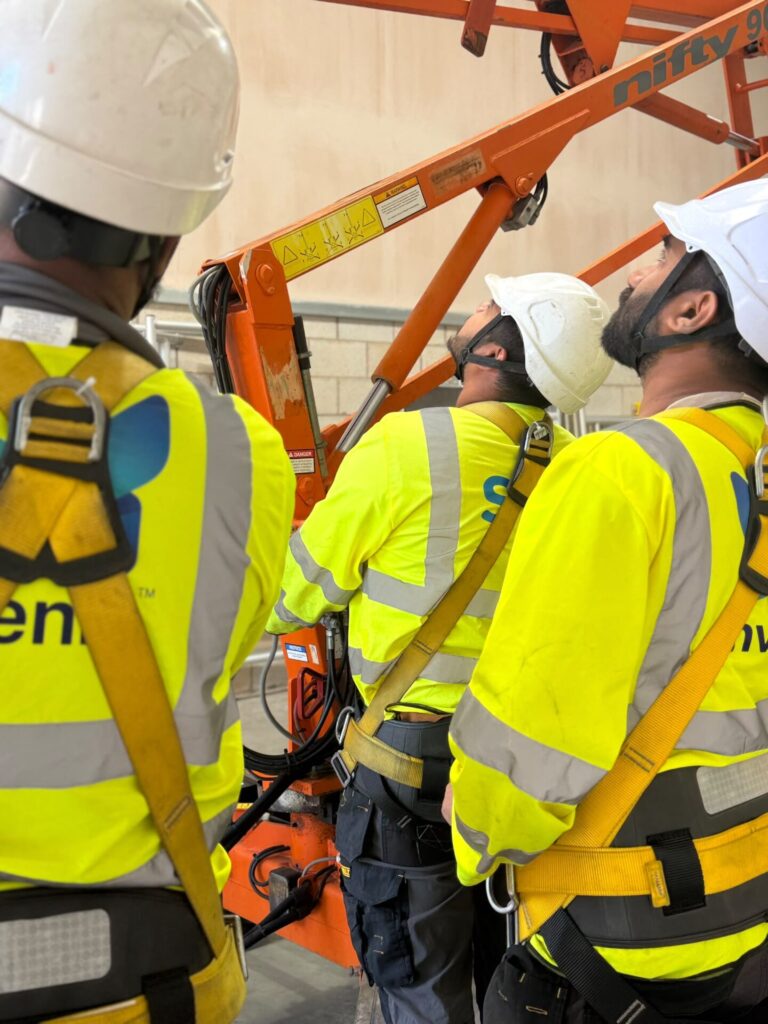
An IPAF category qualification is only part of preparation. Understand machine-specific familiarisation when a different MEWP arrives at your workplace.
Selecting a MEWP takes more than working height. Prepare the reach, access, load and site information needed for a useful equipment-selection discussion.
Plan, supervise or manage powered-access work? Explore how IPAF MEWPs for Managers addresses the decisions behind safe and effective MEWP use.
Check your PAL Card expiry, operating records and renewal eligibility. Understand why a valid card and an expired card need different training routes.
A disc that fits is not necessarily suitable. Learn which questions to ask about the material, task, machine and markings before cutting or grinding.

Choosing access equipment starts with the task. Consider working space, duration, reach and site conditions before arranging relevant safety training.

