
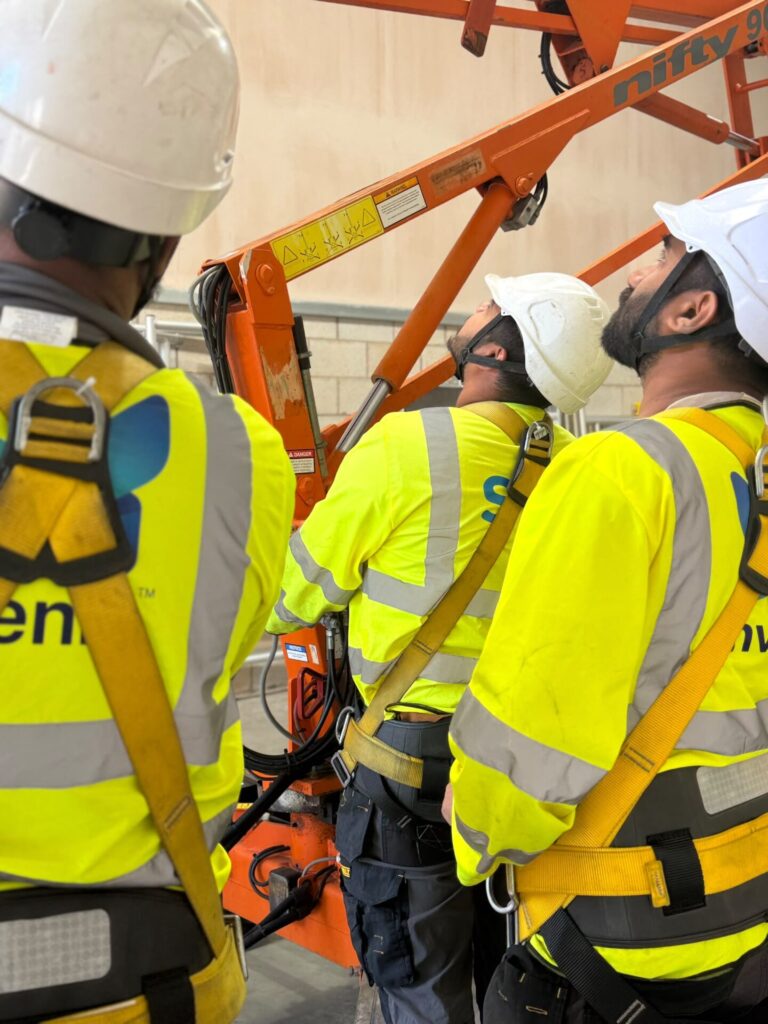
IPAF categories identify the equipment training you need. Being asked to book 'an IPAF course' is easier to act on when you have the actual machine details. Our existing category guides explain the equipment groups. This article focuses on building an accurate booking brief, especially when an employer is arranging training for someone else.
Collect the make, model and a clear photograph, together with the supplier's information if available. A nickname such as cherry picker may describe different types of equipment. Ask the centre to confirm the category when uncertain rather than guessing from size or appearance.
As an outline, 3a is Mobile Vertical, including relevant self-propelled scissor lifts; 3b is Mobile Boom; and 1b is Static Boom, including relevant vehicle-mounted or trailer-mounted equipment. These are equipment categories, not beginner, intermediate and advanced levels. Other categories also exist, including Push Around Vertical.
List the tasks and machines the learner is expected to use. If today's maintenance job uses a scissor lift but a planned project needs a boom, include both in the enquiry. Equipment selection still needs a suitable assessment; choosing a training category does not by itself approve a machine for the job.
Send the learner's existing PAL Card categories and expiry date. Do not infer them from experience or job title. IPAF's verification service can help check a card. If the proposed equipment falls outside the recorded categories, ask about the appropriate additional training before booking.
Category training and familiarity with a particular make and model are separate considerations. Even a replacement within the same category can have different controls and characteristics. Agree the workplace familiarisation arrangements instead of assuming that attendance on a course covers every machine.
Keep the machine details, intended tasks and confirmed booking together. That gives the learner, organiser and training centre a shared reference and reduces the chance of discovering a category mismatch on the training day.
Read our existing guide to IPAF categories.
Create a separate line for each delegate rather than a single instruction to train the whole team. Record the current categories, the requested categories and the machines that justify them. If a person needs two types of machine, state both. If the requirement includes 3a, 3b and 1b, ask the centre to confirm the appropriate training and booking arrangement. Do not assume a two-category booking automatically includes a third category or that every combination is offered on every date.
Consider a building-maintenance team using a self-propelled scissor lift indoors and a vehicle-mounted boom for external work. The machine details help the centre distinguish the category requirement; the indoor or outdoor location alone does not define it. Likewise, a boom that looks compact may still be a different category from a vertical lift. Keep the supplier’s specification with your enquiry so that questions can be resolved from identifiable equipment information.
Harris Safety provides local information for IPAF training in Llantrisant. When enquiring, give your preferred location alongside the categories, delegate numbers and existing card details. Ask for confirmation of the actual course date and the categories included before arranging staff cover. Local availability is a booking detail to establish, rather than something to infer from a course name.
Once the booking is agreed, send the category information to the learner and their supervisor. After successful training, check the issued record against the categories completed and retain it with the workplace training record. If the job changes later, revisit the requirement before using unfamiliar equipment. A clear category record makes that conversation easier, particularly when the person who arranged the original training has moved to another role.

