
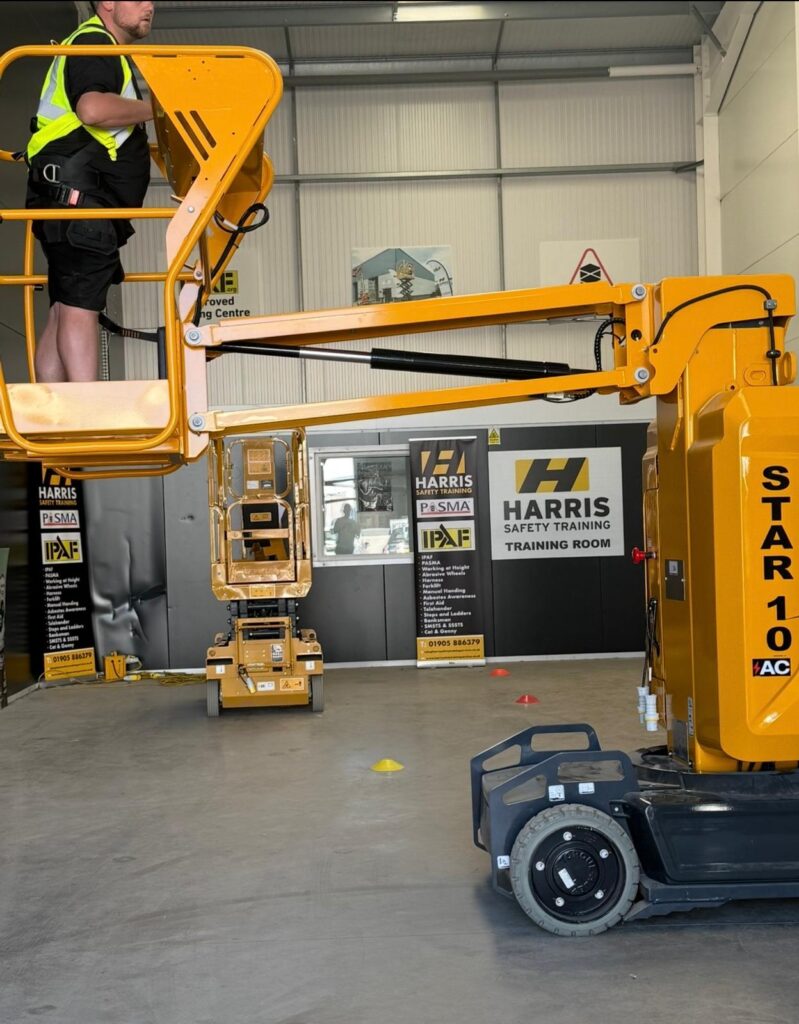
MEWP pre-use checks and statutory examinations serve different purposes. A MEWP arrives with a current thorough examination report. Does that mean it is ready to use without further checks? The report matters, but it answers a different question from the checks an operator carries out before work. Treating the two as interchangeable leaves an important gap between paperwork and the machine's condition today.
A thorough examination is a detailed examination by a competent person under the Lifting Operations and Lifting Equipment Regulations 1998, known as LOLER. For equipment used to lift people, the normal interval is six months, unless a competent person's written examination scheme specifies different intervals. Exceptional events can also make a further examination necessary; the date on a report is not the only consideration.
Pre-use checks look at the equipment before the planned shift. IPAF advises a MEWP inspection daily or at the start of each shift, following the manufacturer's instructions. A machine can develop a fault after its thorough examination, so a current report does not remove that need. Equally, a satisfactory pre-use check does not replace the thorough examination.
For an employer, the useful question is who manages each part. Who obtains the examination report? Who checks that it relates to this machine? Who carries out and records the pre-use inspection? Who receives defect reports and arranges action? Put names against those responsibilities rather than assuming the hire company, supervisor and operator have all dealt with them.
Make those records easy to find. An equipment folder or agreed digital system can bring the manual, examination report and inspection records together. Avoid forms that invite people to tick every box without checking the equipment. A record should describe an inspection that happened and make a reported problem visible to the next person.
A fault affecting safe operation means the machine should not be used. Report it through the agreed process and prevent further use while it is dealt with. Training is an opportunity to practise recognising the difference between a usable machine, a valid record and an unresolved defect.
Check that records identify the actual machine. A report for another serial number or a checklist carried over from the previous hire does not establish this equipment’s condition. Keep the manufacturer information, relevant examination report and defect history available to the people who need them. Where a record is missing or unclear, use the agreed escalation process before treating the machine as ready for the task.
Imagine a platform with a recent examination report but damage reported during delivery. The date on the report cannot resolve the new concern. Conversely, an operator finding no obvious issue this morning cannot certify that the statutory examination requirement has been met. Explain these different decisions during a workplace briefing so staff understand when to involve the supervisor, supplier or competent examiner.
Plan how problems remain visible across shifts. If a fault is reported, make sure the next operator knows the equipment is unavailable and who is arranging the response. Follow the site’s arrangements for preventing further use and retain the relevant action record. Avoid a process where the original reporter assumes a repair has happened simply because the machine has moved to another part of the site.
For teams considering IPAF training in Newark, Harris Safety can discuss operator learning relevant to checks and defect reporting. Confirm the appropriate categories, course and date for the delegates concerned. Training supports the operator’s role; it does not appoint that person as a LOLER competent examiner. Employers should keep responsibility for statutory examinations, maintenance and daily checks clear, then review whether the communication between those activities works. A short review of one real defect report can reveal whether the system leads from an observation to an effective decision.

