
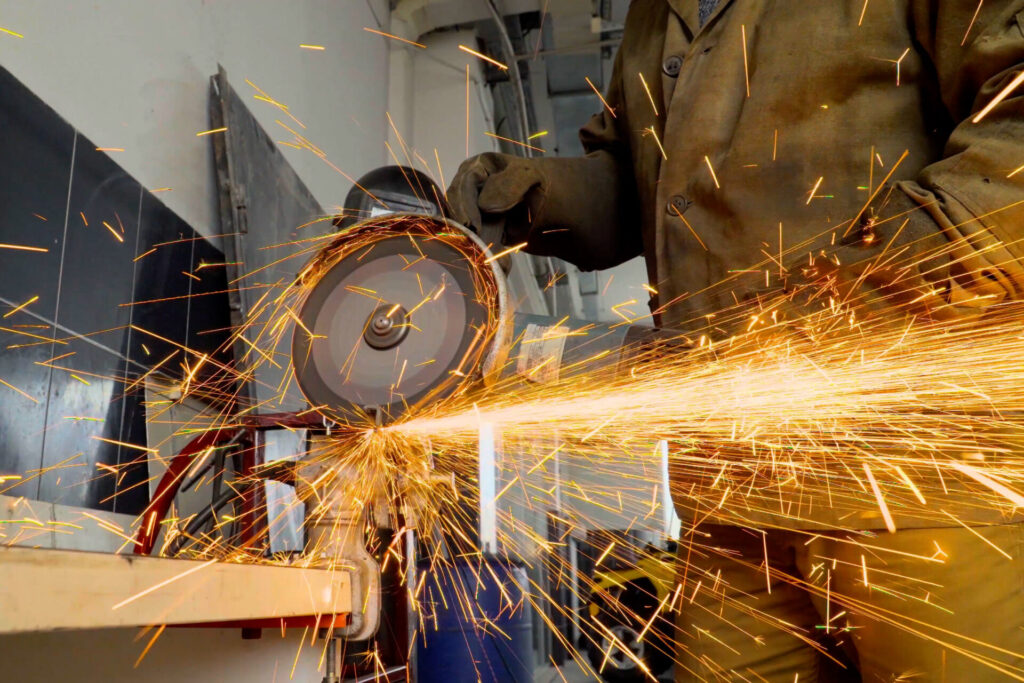
Abrasive wheels training is relevant to more than the regular operator. If someone uses a grinder every day, their training needs are usually easy to spot. The occasional user can be less obvious: a maintenance employee making one cut, a colleague changing a wheel or a supervisor deciding how the work will be done. Start by identifying every role involved, rather than counting only regular operators.
The relevant legislation is the Provision and Use of Work Equipment Regulations 1998, usually shortened to PUWER. It requires adequate health and safety training for people using work equipment and for those supervising or managing its use. Training needs depend on the equipment, task, existing competence and circumstances of the work.
Map learning needs to actual jobs rather than purchase a course simply because it has ‘abrasive wheels’ in the title. Being comfortable holding a familiar tool does not answer whether someone understands its limitations or knows what to do when something is wrong. Ask what the person needs to learn and how that learning will be applied.
Before arranging training, write down who selects the wheels, who mounts them, who uses the equipment and who supervises the task. In a small team, one person may fill several roles. In a larger organisation, purchasing and stores staff may also need clear instructions about the products they supply, even if they never operate the machine.
Give the training provider useful detail. Is the work cutting or grinding? Which machines and materials are involved? Are you training new starters, addressing an identified gap or introducing different equipment? Those answers help establish whether the proposed course matches what people will actually do afterwards.
An abrasive-wheels course is not a universal licence for every cutting machine or process. Employers still need to establish competence, provide suitable equipment and instructions, and supervise work appropriately. Harris Safety offers abrasive wheels training; contact us with your team’s roles and equipment so we can discuss the right scope.
Plan how new learning will be used during the next suitable task. Give the supervisor time to observe the work within an agreed safe system, check understanding and address questions. If the worker cannot explain a selection or reporting decision, arrange further instruction before relying on them to work independently. Keep the outcome with the training record so future reviews start from evidence rather than assumptions.
A useful review begins with a real task. Picture a workshop that normally cuts metal but now asks its maintenance team to work on masonry. The people may be experienced with their usual machines, yet the change introduces different selection and exposure questions. Ask what has changed, what the existing training actually covered and who can assess the gap. Record the answer so the next supervisor does not have to make the same assumptions again.
Separate attendance from workplace competence. A certificate can be useful evidence of completed learning, but the employer still needs to consider whether the person can apply it to the relevant equipment and conditions. Ask workers to explain how they select a suitable wheel, where they find the instructions and what they do with a suspect tool. Use the discussion to identify further instruction or supervised practice, rather than treating a confident answer as a substitute for assessment.
Occasional use should appear in the training plan. A person who only uses a grinder during shutdowns may be overlooked when courses are arranged around the regular production team. Include temporary cover, new starters and anyone who changes wheels. Avoid giving someone a task simply because they happen to be available. Their preparation needs to match the responsibilities they will actually take on.
Businesses around Worcester can discuss abrasive wheels training with Harris Safety, including whether centre-based or workplace delivery suits the requirement. The course page describes nationwide and on-site options; confirm the venue, equipment scope and available date directly. Bring a short list of machines, materials, delegate roles and previous training to that enquiry. Agree who will follow up after the course and how any remaining workplace instruction will be recorded.
Tell Harris Safety who uses, mounts and supervises your abrasive-wheel equipment.

