
A first PASMA Towers for Users course is easier to prepare for when the learner and organiser know what to expect. Our existing PASMA guide explains the course’s wider scope. This article concentrates on arriving ready to take part and carrying the learning back into the workplace.
Read the current joining instructions for the actual booking. Check the venue, arrival arrangements and any preparation required, including an online theory element if that is part of your agreed course. A colleague’s earlier course is not a reliable substitute for those instructions.
PASMA specifies suitable head, eye and foot protection and gloves for the practical work. Confirm the centre’s arrangements and what you need to bring. Raise language, accessibility or other support needs before the day so the centre can discuss appropriate arrangements.
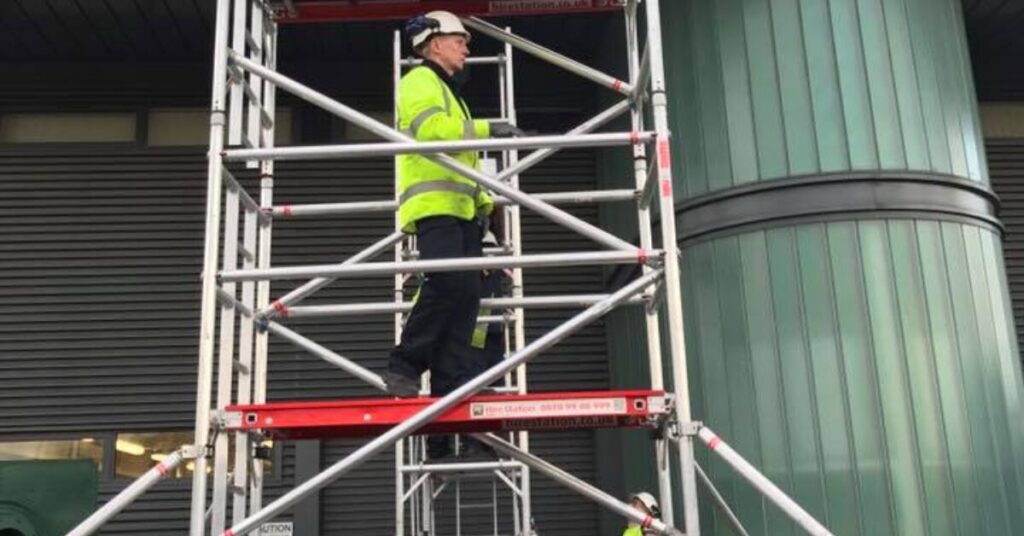
Towers for Users combines theory and practical work, with assessment of both. It covers assembly, dismantling, safe use, moving, inspection and hazards. Expect to follow the instructor’s explanations and use the instructions for the tower involved, rather than regard the practical element as a quick demonstration.
If you have used towers before, explain that experience but still ask about differences from your usual equipment. The day is an opportunity to examine habits as well as learn new skills. If an instruction is unclear, ask before continuing rather than copy another delegate without understanding.
Tell the centre if your job involves a specialist tower configuration. Do not assume a general mobile-tower course covers every structure. Employers should explain who will assemble, alter, move, inspect and use equipment so the course choice reflects the duties being planned.
After training, make sure the correct manufacturer’s manual is available for the equipment at work. Agree the workplace arrangements for checks, defects and supervision. An assessment result is part of preparing a person for work; it does not replace management of the actual job.
A useful handover between the delegate and organiser records what course was completed, what equipment the workplace uses and any further preparation needed. Keep questions visible and resolve them before work begins.
Read our wider PASMA training guide.
Ask the organiser to describe the towers and duties you will encounter after training. A maintenance worker might use an ordinary mobile tower, while another team plans a more specialised arrangement. Knowing that difference helps the centre discuss the right course. If a photograph is available, send it with the make and model rather than expecting the instructor to identify the equipment from a vague description. Explain any uncertainty before the booking is confirmed.
Treat practical participation as learning with other people. Listen when roles are allocated, allow others space to work and ask why a component or check is needed. Do not rush to demonstrate an assembly sequence you remember from a previous workplace. The purpose is to understand the specified method for the equipment being used. Write down questions about your own workplace during breaks, so they can be discussed without interrupting a practical instruction.
For delegates considering PASMA training in Newark, confirm the chosen course and venue before arranging transport. A local enquiry page helps you start the conversation; your confirmation provides the arrangements for the actual day. Tell the centre how many delegates you want to train and whether their duties differ, rather than assuming one request covers every course type.
Back at work, arrange a short discussion with the supervisor who manages tower use. Locate the correct manuals, clarify who carries out inspections and check that defect-reporting arrangements are understood. Ask what happens if equipment arrives with a missing component or a different configuration from the one expected. These are practical management questions that deserve a clear answer before the next job. Keep the training record accessible, while recognising that a card cannot answer whether a particular tower has been set up safely today.

