
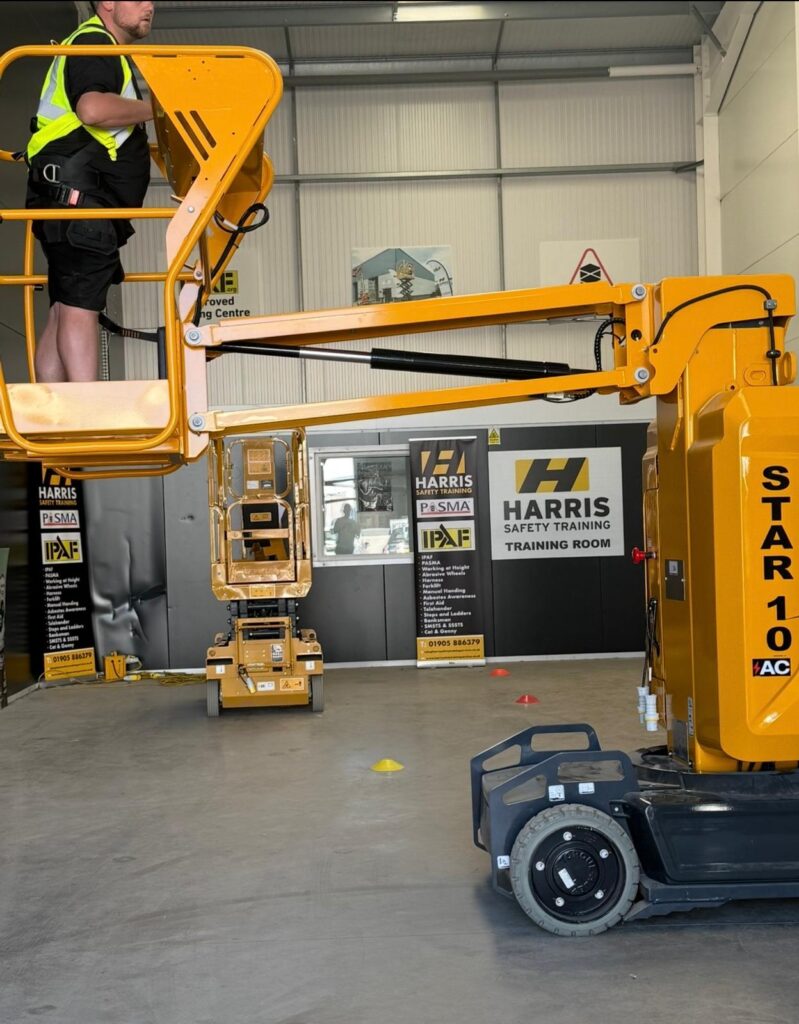
Your first IPAF course does not require you to arrive as an experienced operator. IPAF describes its operator course as entry-level, with no previous MEWP operating experience required. What helps most is knowing why you are attending and allowing time to learn, practise and be assessed.
The operator course includes theory and assessment, followed by practical training and assessment. Completing an online theory element does not remove the practical part. If your booking includes eLearning, follow the centre's instructions about what must be completed beforehand and what assessment takes place at the centre.
Confirm your categories before the day. 'My employer booked me' is understandable, but knowing whether the course includes 3a, 3b or another category helps you check it matches the machines you will use. Tell the centre about any existing IPAF qualification rather than assuming it will automatically appear on the booking.
Read the joining instructions for arrival time, location, identification and required clothing or protective equipment. Ask if anything is unclear. Planning your journey and leaving enough time is worthwhile: a rushed arrival makes it harder to settle into a course that combines discussion, learning and practical activity.
Raise support needs early, including language, reading, hearing or any concern about participating in practical training. The centre can discuss the arrangements and whether the booking is appropriate. Waiting until the assessment to mention a difficulty gives everyone less opportunity to address it.
During the course, ask questions when an explanation or task is unclear. Training is the place to build understanding, not to conceal uncertainty. Practical assessment is about demonstrating the required competence; simply reaching a target does not describe the whole course.
Employers can help by explaining the learner's intended work and protecting the booked training time. Avoid promising an early finish based on another person's experience: IPAF says course length varies with factors including experience and the categories selected. Treat the full joining instructions as your guide for the day.
Before travelling, have a short conversation with the person who organised the course. Ask what work you will do afterwards and which machine categories are booked. For example, a facilities employee preparing for overhead lighting work may have a different requirement from a contractor using a boom outside. Bring any unresolved category question to the training centre while there is time to check it. A course confirmation should describe the agreed provision, rather than leave the learner to infer it from a diary entry.
Prepare for the learning as well as the journey. If online theory has been agreed, choose somewhere you can concentrate and follow the stated completion instructions. Keep the booking reference and centre contact details accessible. Do not assume that a colleague can complete learning or assessment on your behalf. During practical training, listen to the whole explanation, observe the demonstration and ask for clarification before taking an action you do not understand. Feeling new to the equipment is a reason to engage with the instructor.
Harris Safety has dedicated IPAF information for Worcester. Use the relevant location information when planning travel, then confirm the exact venue and categories against your joining instructions. The presence of a local course page does not confirm a particular date or place. If your employer is booking for several people, check that every delegate receives their own instructions and that practical requirements have been discussed.
After the course, share the result and any follow-up questions with your organiser. Check the categories recorded on your training evidence and arrange access to the relevant manufacturer information at work. A useful first conversation with your supervisor covers which machine you may use, who will provide familiarisation and who to ask if the planned task differs from the training brief. This turns preparation for a course into preparation for the actual work.

