
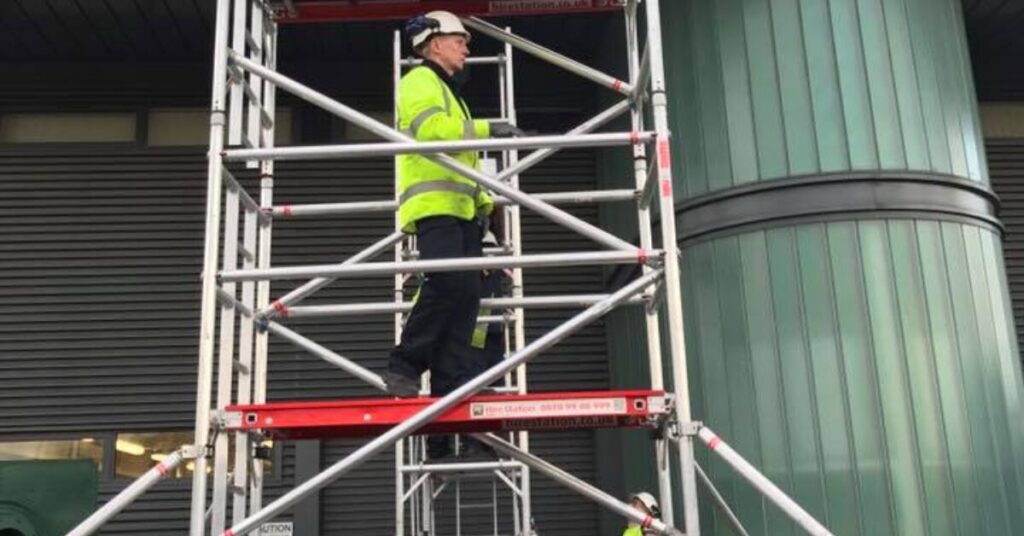
Mobile tower checks need to reflect the equipment as it stands today. A tower carries an inspection record from earlier in the week. Before somebody uses it today, they still need to consider its current condition and whether anything has changed. A date on a tag cannot answer whether the tower has been altered, damaged or exposed to conditions affecting its safety since that inspection.
HSE says all towers need inspection after assembly and at suitable regular intervals by a competent person. For construction work where a person could fall two metres or more from the platform, inspection is required after assembly and every seven days. That condition matters: it should not be simplified into one universal inspection interval for every tower in every workplace.
PASMA also emphasises checks before use and inspections after events likely to affect stability or structural integrity. Lower towers still need suitable inspection arrangements. Think about the work setting, frequency of use and foreseeable changes when planning the regime, and follow the equipment instructions and applicable requirements.
A practical employer arrangement names the competent inspector, tells users what to check and provides a clear way to report concerns. It should also explain who can authorise the tower for use after a problem has been corrected. Otherwise a defect may be reported correctly but the equipment still returns to work without an agreed decision.
Use records to communicate, not to replace observation. Make the latest inspection information accessible and ensure it relates to the tower being used. If the arrangement, location or equipment looks different, ask what happened. Do not treat a colleague's assurance that 'it was fine yesterday' as an answer to an obvious concern today.
For a team booking training, explain who builds, uses and inspects towers at your workplace. Those responsibilities influence what learning each person needs. Good tower management connects training, competent inspection and daily attention to the equipment. When a check or inspection reveals an unsafe condition, stop use and have it put right before work continues.
Build the handover around the tower that is actually present. A user should be able to identify the latest relevant inspection information and know whom to contact with a concern. If the tower has been altered or an event may have affected its safety, ask for the appropriate competent review. The inspection record should help people communicate, while the current condition of the equipment remains central to the decision to use it.
Consider a tower left in a shared work area between shifts. Materials have been moved nearby and another team has worked around it overnight. The next user should not infer safety simply because the record is still attached. Establish what has changed and follow the planned checks. If a component appears damaged or missing, stop use and report it rather than asking somebody on the platform to investigate while the task continues.
Agree how the business records and closes out defects. A useful entry identifies the tower, describes the concern and shows who received the report. The action afterwards should be clear enough for the supervisor to establish whether the equipment can return to use. Avoid a system where a removed warning or a handwritten tick becomes the only evidence that a problem has been resolved.
Harris Safety’s Worcester PASMA information provides a starting point for local training enquiries. Explain which delegates assemble, use, manage or inspect towers so the team can discuss suitable learning. Confirm the course and date rather than assuming each local listing has the same timetable. After training, review the inspection regime against your workplace and the tower instructions. The practical outcome should be a team that understands its responsibilities and knows when a concern requires work to stop.

