
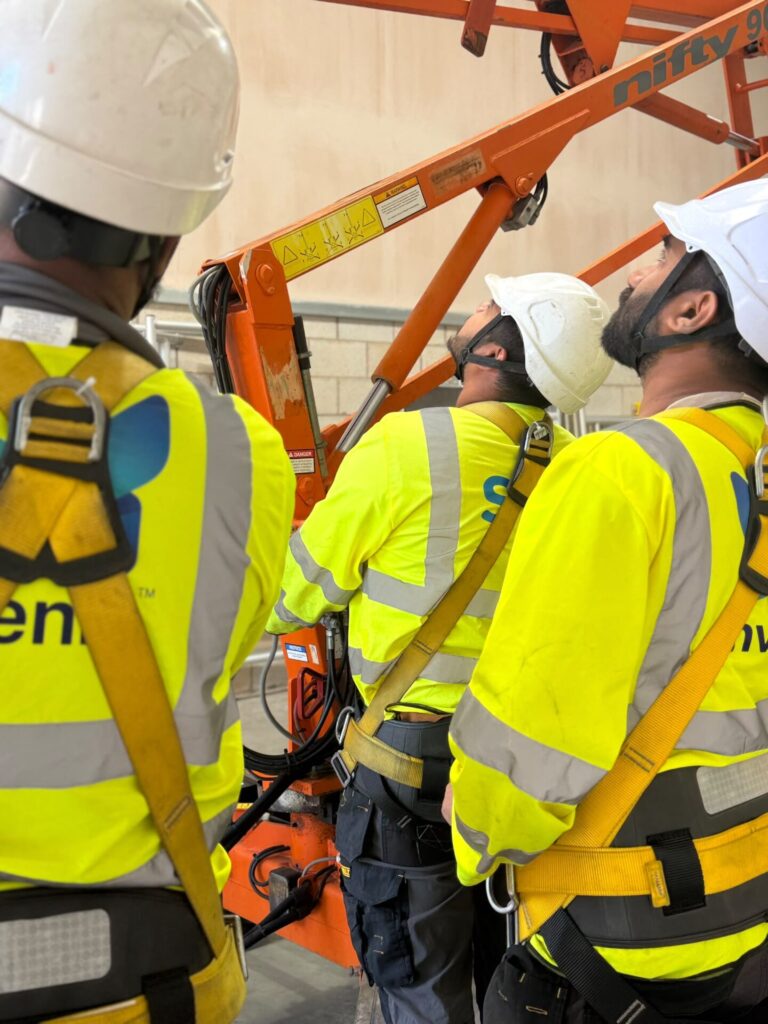
MEWP familiarisation connects category training with the particular model you will use. Passing an IPAF operator course gives you training in the categories assessed. It does not mean that every make and model will be identical to the machine used on the course. When unfamiliar equipment arrives, build machine-specific familiarisation into the arrangements before it is used.
IPAF's current familiarisation guidance identifies differences such as size, complexity and operating characteristics. Familiarisation follows basic training and addresses the particular machine: its manufacturer information, controls, safety features, limitations and emergency arrangements. It should be conducted by a competent, authorised person; IPAF also describes conditions for suitably experienced operators to self-familiarise.
The important planning question is whether the person has the information, time and competence needed. A quick statement that 'it works like the other one' does not establish that. Do not treat familiarisation as a way to bypass training for a category the operator does not hold.
For employers, a change of hire machine is an obvious point to review the arrangements. Confirm its model, provide the appropriate manufacturer instructions and identify who will cover familiarisation. That conversation can happen before delivery, rather than leaving the operator to discover differences under pressure to start the job.
The nominated ground rescue person also needs adequate familiarity with the equipment for their role. IPAF's familiarisation toolbox talk addresses users, managers, operators and ground rescue personnel. Consider each person's responsibilities when planning the handover; do not assume an operator's briefing automatically covers everyone else.
Keep a record of what equipment was covered and who took part, following your workplace arrangements. The record is useful when staff rotate or another model replaces it, but completing a form does not itself demonstrate understanding.
Before work, invite people to raise any uncertainty about the equipment or their responsibilities. Resolve those questions through competent instruction and the manufacturer's information. Familiarisation gives the trained operator a clearer basis for using the actual machine in front of them.
Use a structured handover that gives the operator time to locate the information relevant to that model. Ask them to explain the controls and limitations covered, then resolve any uncertainty through the competent person and manufacturer information. The purpose is to establish understanding before the job begins. A signature at the end of a rushed delivery does not show whether the operator knows how the machine differs from the one they used previously.
Changes can be less obvious than the overall appearance of the equipment. A replacement may have a different control layout or ground-control arrangement even when it serves a similar task. Keep the actual model identifiable and avoid relying on a fleet nickname. Tell the organiser about a substitution before work starts so the site plan and the people involved can be checked against the equipment delivered.
Ground rescue arrangements deserve their own conversation. Identify who will be available, how they communicate with the operator and where the relevant instructions can be found. Discuss the agreed site rescue plan with everyone who has a role in it. This article does not provide an emergency operating sequence: that must come from the correct equipment information and competent preparation for the particular situation.
For employers using IPAF training through Harris Safety’s Worcester enquiry route, include the operator’s existing categories and planned equipment in the discussion. A person needing a category they do not hold should ask about training before the machine is used. After familiarisation at work, retain an appropriate record of the model, people involved and date. Review it when a new model arrives or the nominated ground person changes. The record supports the process, while demonstrated understanding makes the handover useful.

